

Last updated: November 12, 2026
Quick Summary
Choose sauna wood based on where it will be used, how often it will get wet, how it feels against skin, and whether you want a strong wood aroma. Cedar is a common choice for its natural decay resistance and aroma. Aspen and alder are popular for benches because they have low resin content. Use dry, straight lumber and confirm the grade, dimensions, and installation requirements before buying.
- Cedar is naturally decay-resistant, though the exact properties vary by cedar species and grade. It is also relatively soft and can dent.
- Aspen has low resin and a light appearance, but it is not a good choice for persistently damp or exterior locations.
- Hemlock, spruce, and pine can be considered for interior walls and ceilings when the lumber is appropriately selected and the sauna can dry between uses.
- Thermal modification can reduce moisture uptake and improve dimensional stability, but it does not make wood rot-proof or suitable for ground contact.
- Follow the treatment manufacturer’s directions. Harvia recommends reapplying paraffin oil to benches once or twice a year, depending on sauna use.
What Makes Sauna Wood Durable
Choosing durable sauna wood starts with the location and conditions the boards will face. Interior boards are exposed to repeated heating, humidity, and drying. Exterior boards also face rain, sun, and seasonal temperature changes. No wood species performs the same way in every location, so consider exposure, ventilation, installation details, and upkeep along with the species name.
Compare lumber on moisture behavior, dimensional stability, surface comfort, resin content, and appearance. Those factors help determine whether a board is better suited to a bench, wall, ceiling, floor, trim, or exterior cladding.
Moisture, Heat, and Resin: The Three Tests
Moisture behavior describes how a board responds to humidity and wet-dry cycles. The wood species, grain, cut, drying, and installation all affect how much it moves and how it tolerates moisture.
Heat comfort matters most for benches and backrests. Wood species and board dimensions affect how a surface feels when heated. Test samples when possible, and use lumber intended for the sauna environment.
Resin content matters on surfaces that touch skin. Some softwoods can contain resin pockets that may seep when heated. Select kiln-dried lumber carefully and avoid resinous boards for benches and backrests.
| Consideration | What to Check | Why It Matters |
|---|---|---|
| Moisture | Drying method, storage, and moisture condition | Helps reduce unwanted movement after installation |
| Stability | Species, grain, board quality, and installation details | Movement can affect joints, gaps, and finish |
| Surface comfort | Intended use and sample feel after heating | Especially relevant for benches and backrests |
| Resin | Visible sap pockets and board selection | Resin can be unpleasant on surfaces that contact skin |
How to Compare Wood for Sauna Interiors
The best wood for a sauna interior depends on the component and your priorities. Cedar is popular for its appearance, aroma, and natural decay resistance. Aspen and alder are often selected for benches and backrests because they have low resin. Hemlock, spruce, and some pine boards may be used for walls and ceilings when they are suitable for the intended application and can dry between uses.
Durability is not a single number. The same species can perform differently depending on the exact species, heartwood or sapwood, grade, drying, exposure, and maintenance. Use the comparison below as general guidance, then confirm the product and installation specifications for your project.
A Durability Framework by Exposure
Compare each option across four practical factors:
- Decay resistance: Relevant where wood is regularly exposed to moisture. Natural resistance varies among species and even between heartwood and sapwood.
- Dimensional stability: Wood can move as moisture conditions change. Drying, grain, board width, and installation all affect movement.
- Surface behavior: Consider comfort, splintering, knots, and whether the selected board is intended for benches or other contact surfaces.
- Resin and extractives: Look for sap pockets or other features that could affect a heated surface or the sauna’s aroma.
A species may be a good fit for one component and a poor fit for another. For example, a low-resin wood can be a comfortable bench choice but still require protection from persistent moisture.
Cedar, Hemlock, Aspen, Alder, Spruce, and Pine Side by Side
This overview is intended to help narrow options. Properties vary by species, source, grade, and board selection. For exterior or structural use, follow the sauna manufacturer’s specifications and applicable building requirements.
| Wood | General Characteristics | Potential Fit | Considerations |
|---|---|---|---|
| Cedar | Some cedar species have naturally decay-resistant heartwood; often valued for color and aroma. | Interior paneling, trim, benches, and some exterior applications when specified for them. | Species and grade matter. Cedar is relatively soft and can dent; check aroma and surface samples. |
| Hemlock | Common interior sauna lumber with a relatively subtle appearance and aroma. | Interior walls and ceilings where the room can dry between uses. | Generally lacks cedar’s natural decay resistance; avoid persistently damp exposure unless product specifications support it. |
| Aspen | Light-colored and low in resin. | Benches, backrests, and other interior contact surfaces. | Not a good choice for locations that stay damp or for exterior exposure without a suitable, specified system. |
| Alder | Often selected for its warm tone and relatively low resin. | Interior benches, backrests, and paneling. | Confirm grade and use; protect it from prolonged moisture and allow it to dry. |
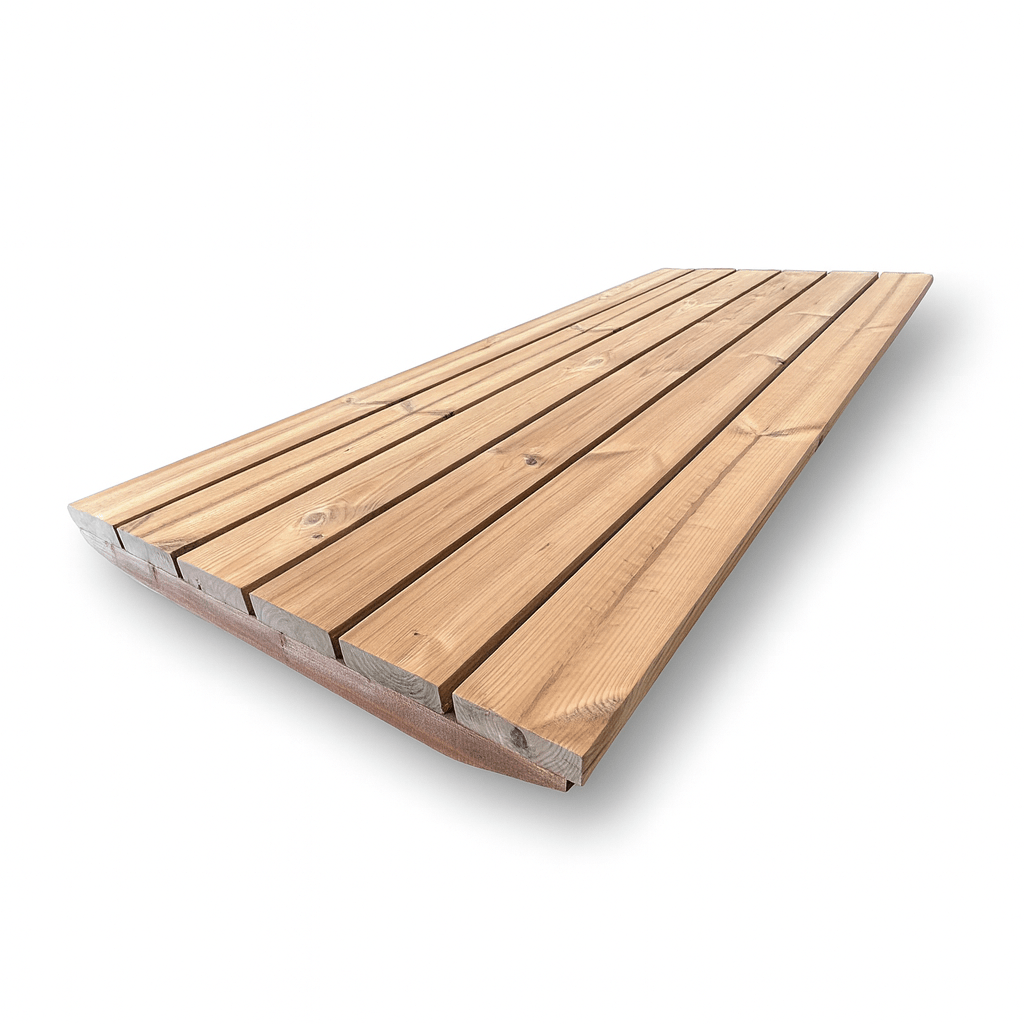
| Spruce | Commonly used in sauna construction, including some thermally modified products. | Walls, ceilings, and product-specific floor kits. | Inspect knots and follow the sauna manufacturer’s material specifications. |
| Pine | Properties vary widely by species, grade, and board selection; some boards may contain resin. | May be suitable for selected interior applications when specified and carefully graded. | Avoid resinous boards on benches and backrests. Do not use pressure-treated lumber inside a sauna. |
Cedar is often chosen for its appearance and aroma. Western redcedar heartwood is known for natural durability against decay, but cedar is relatively soft and may dent. The term “cedar” covers multiple species, so confirm the specific wood being sold.
Hemlock can be considered for interior walls and ceilings in a sauna that dries between sessions. It should not be treated as interchangeable with cedar for decay resistance, especially in areas with sustained moisture exposure.
Aspen is a low-resin option often used for benches and backrests. Its suitability for a dry interior contact surface does not make it appropriate for a damp floor or exterior cladding.
Alder is another low-resin interior option. Review the grade and use it in a location where it can dry properly.
Spruce is used in many sauna products. Inspect the boards and follow the manufacturer’s material and installation instructions, particularly for floors and outdoor components.
Pine is not automatically unsuitable for every sauna application. Select boards carefully, avoid resinous boards on skin-contact surfaces, and never use pressure-treated lumber inside a sauna.
How to Read the Comparison for Your Build
For benches and backrests, prioritize smooth, low-resin boards intended for heated contact surfaces. Aspen, alder, and selected cedar are common choices. For walls and ceilings, compare appearance, aroma, price, and the sauna manufacturer’s specifications. For floors and exterior areas, prioritize a product designed for that location, good drainage, and the ability to dry.
Do not choose a species based on a general reputation alone. Confirm the exact lumber or sauna product, its intended use, and the maintenance instructions.
Sauna Wood for Outdoor Use: Exposure Changes the Rules
Outdoor saunas face rain, sunlight, humidity, and seasonal temperature changes. The exterior cladding, roof, foundation, and drainage all affect how long the structure lasts. Cedar heartwood and thermally modified products are among the options used for exterior applications, but neither removes the need for proper design and maintenance.
Use an exterior finish only when it is intended for that specific surface and follow its application instructions. Interior sauna treatments are not automatically suitable for siding or roofing, and interior wood should be allowed to dry after use.
For seasonal cleaning, drainage, and treatment guidance, read our guide to maintaining outdoor sauna wood.
When Thermally Modified Wood for Sauna Makes Sense
Thermal modification uses heat to change some properties of wood. Research from the USDA Forest Products Laboratory describes reduced moisture uptake and improved dimensional stability, while also noting that performance varies and field results depend on exposure and treatment. Thermally modified wood should not be considered rot-proof or suitable for ground contact based on the treatment alone. Read the USDA Forest Products Laboratory paper on thermally modified wood field performance.
Thermally modified wood may be worth considering when:
- You want a product designed for a specific exterior or high-humidity application.
- Dimensional stability and reduced moisture uptake are important to the project.
- You like the darker color that can result from thermal modification.
Check the manufacturer’s intended-use guidance, installation details, and care instructions. The treatment can darken the wood and may change its strength and other properties.
To see an example of a finished product, explore the Mande MW12 ThermoWood Outdoor Sauna and compare it with other outdoor sauna options.
Matching Wood to Each Sauna Component
Different sauna components face different conditions. You can compare materials by the job each board needs to do:
- Benches and backrests: Choose smooth, low-resin wood specified for heated contact surfaces. Aspen, alder, and selected cedar are common options.
- Walls and ceiling: Compare the sauna manufacturer’s available species, appearance, aroma, and budget.
- Floor: Use a floor system designed for the exact sauna model. Follow the manufacturer’s instructions for drainage, cleaning, and drying.
- Trim and accents: Match the species and finish to the interior while keeping the material appropriate for sauna temperatures.
For example, the SaunaLife Thermo Spruce Floor Kit is designed for a specific SaunaLife barrel sauna model. Confirm compatibility before ordering; do not assume a floor kit fits every sauna.
How to Inspect and Buy Sauna Lumber
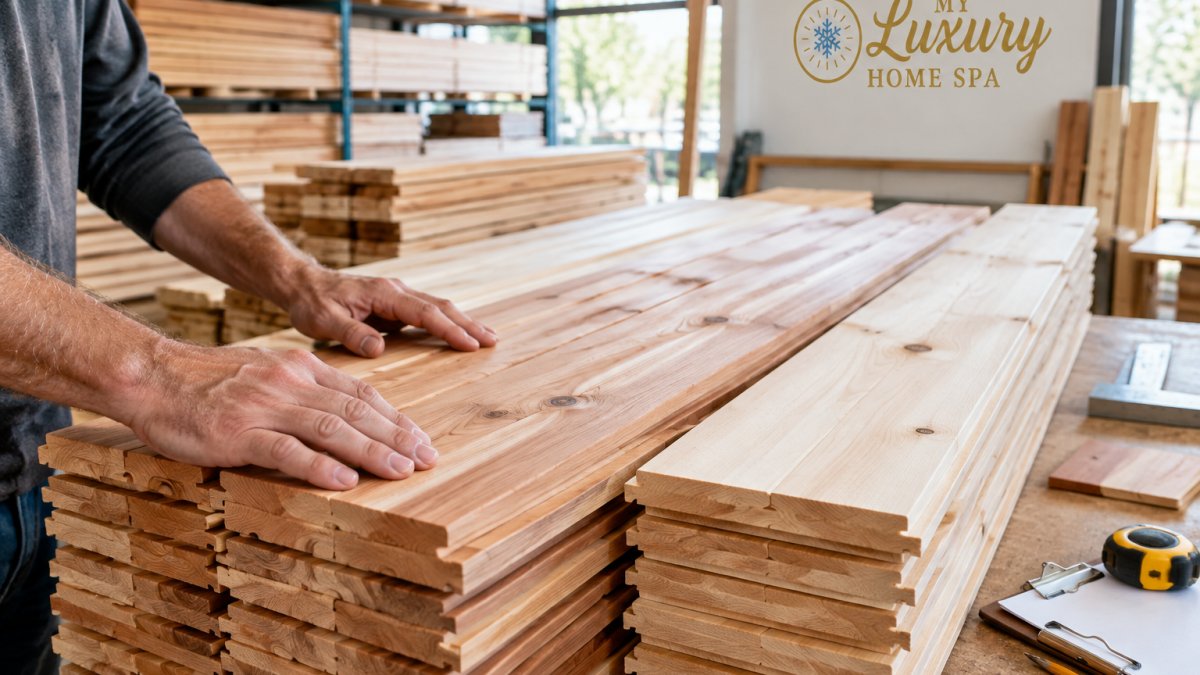
When buying lumber for a sauna build, inspect the boards and confirm that their grade, moisture condition, dimensions, and profile match the project. Sauna kits may have specific material requirements, so use the manufacturer’s instructions if you are replacing or adding boards.
Grade, Moisture, and Dimensions to Specify
Appearance grades describe features such as knots and visible defects; they do not automatically establish that lumber is suitable for every structural or sauna application. Use clear or low-knot boards for visible contact surfaces when appropriate, and use lumber rated for the span and load when a component is structural.
Ask how the lumber was dried and stored. Moisture content and acclimation needs vary by product and installation. Follow the lumber supplier’s and sauna manufacturer’s recommendations rather than relying on one moisture target for every species and build.
Confirm actual board thickness, width, length, and tongue-and-groove profile. Nominal dimensions may differ from actual dimensions. For benches, use the dimensions and support spacing specified for the design so the boards remain stable under load.
A Buying Checklist You Can Take to the Supplier
- Confirm the species and grade, including whether the boards are intended for sauna use.
- Ask how the lumber was dried and stored, and whether it needs to acclimate before installation.
- Check boards for excessive bowing, cupping, cracks, loose knots, and resin pockets.
- Confirm actual dimensions and tongue-and-groove profile.
- Verify compatibility with your sauna model and intended component.
- Ask about shipping damage, returns, and how replacement boards are handled.
- Follow the manufacturer’s guidance for storage and installation at the job site.
Knots and appearance can be acceptable in some wall and ceiling applications, depending on the grade and design. For benches and backrests, prioritize smooth boards with low resin and no loose knots. Do not install wet or damaged lumber; ask the supplier or sauna manufacturer how to handle acclimation for the specific product.
Questions to Ask Your Supplier
Ask how the lumber was dried, whether it has been stored under cover, and whether the supplier can confirm its species and grade. If you are buying a sauna kit or replacement boards, ask whether the dimensions and profile match your model. Clarify the return process for boards damaged in transit or outside the stated specifications.
Watch out: Do not choose lumber on price alone. Confirm that it is dry, undamaged, correctly graded, and suitable for the intended sauna component. Avoid pressure-treated lumber for sauna interiors.
Sauna Wood Durability and Maintenance Over the Years
Allow the sauna to dry after use, clean wood with methods approved by the sauna manufacturer, and use only treatments intended for sauna surfaces. Avoid harsh cleaners and finishes that are not approved for the application.
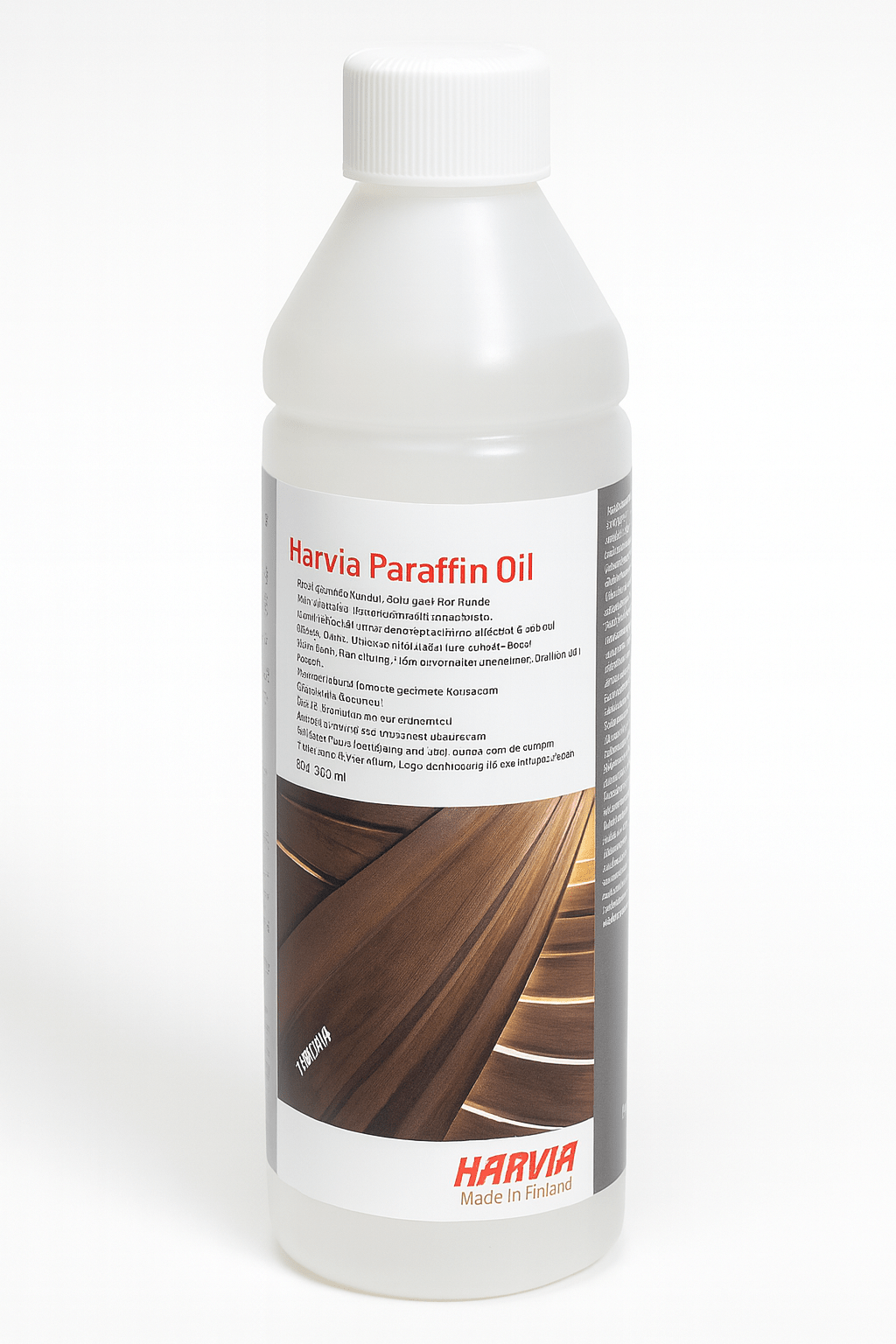
Harvia recommends treating untreated sauna benches with paraffin oil and renewing the treatment approximately once or twice a year depending on sauna use. Its guidance also suggests using a bench cover and allowing the benches to dry after bathing. Follow the instructions for your specific sauna and treatment.
Two products to consider for appropriate interior wood surfaces are:
- Harvia Paraffin Oil for Sauna Wood, applied according to the product directions and renewed based on use and wood condition.
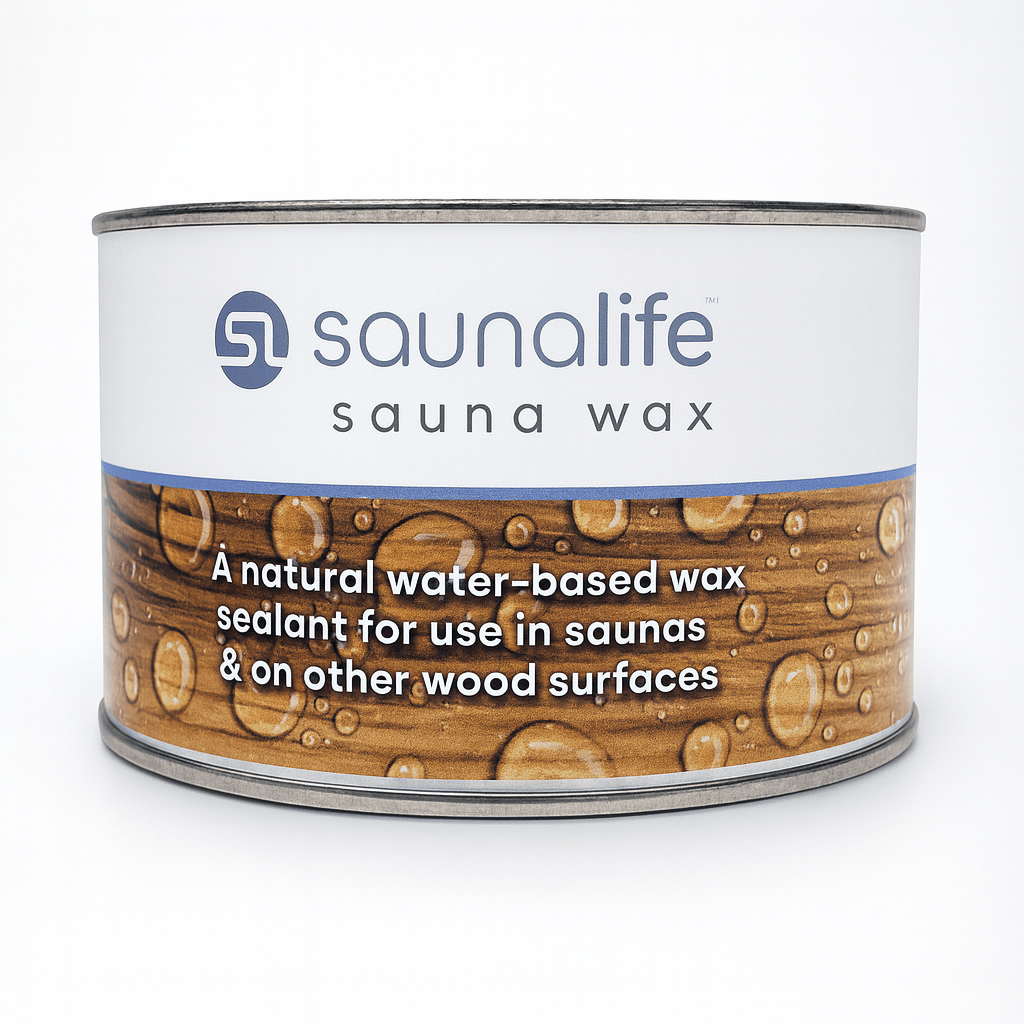
- SaunaLife Sauna Wood Wax, a water-based treatment. Check the product instructions before applying it, especially if the wood has previously been treated with oil.
Important: Do not apply one treatment over another unless the product manufacturer says it is compatible. The SaunaLife wood wax listing says previously oiled surfaces need to be sanded before applying its water-based wax. Always test a small, inconspicuous area first.
Request Pricing and Wood Recommendations
Choose sauna wood based on where it will be installed, how it will be used, and the care it requires. Match bench material to comfort and resin considerations, use product-specific materials for floors and exterior components, and follow the sauna manufacturer’s maintenance guidance.
My Luxury Home Spa is a veteran-owned, authorized retailer of sauna and wellness products. Our team can help you compare available sauna materials, accessories, and product specifications. Delivery options and payment methods vary by product and destination.
Tell us about your sauna, space, and plans. Contact My Luxury Home Spa for product guidance, or call (417) 374-3589.
Frequently Asked Questions
What type of wood is best for a sauna?
There is no single best wood for every sauna. Cedar is often selected for its appearance, aroma, and the decay resistance of certain cedar species. Aspen and alder are common low-resin choices for benches and backrests. Hemlock and spruce are used in some interior applications. Match the material to the component and follow the sauna manufacturer’s specifications.
Is cedar or hemlock better for a sauna?
Cedar is often chosen for its aroma and the natural decay resistance of some cedar heartwood. Hemlock can be a suitable interior wall or ceiling material in a sauna that dries between uses, but it should not be assumed to have the same decay resistance as cedar. Compare the exact species, grade, intended use, and maintenance requirements.
Does thermally modified wood work well in a sauna?
Thermal modification can reduce moisture uptake and improve dimensional stability, but performance depends on the product and exposure. It does not make wood rot-proof or automatically suitable for ground contact. Check the manufacturer’s intended-use and installation instructions before selecting it for an outdoor sauna component.
What should you avoid when choosing sauna wood?
Avoid damaged or wet lumber, loose knots on contact surfaces, resinous boards on benches and backrests, and materials that are not specified for sauna use. Do not use pressure-treated lumber inside a sauna. Use only treatments approved for the intended surface and follow their application instructions.
How often should I apply paraffin oil to sauna benches?
Harvia recommends renewing paraffin oil treatment approximately once or twice a year depending on sauna use. Follow the directions for the specific oil and sauna, and test the treatment on a hidden area first because it can change the wood’s appearance.


Leave a comment