

Last updated: November 8, 2026
Quick Summary
A portable cold plunge may be worthwhile if you expect to use it regularly and your home can accommodate the filled weight, water care, drainage, and electrical requirements of the specific model. For occasional use, an ice bath or cold shower may be a simpler starting point. A chiller can reduce the work of preparing cold water, but it adds purchase and operating costs.
- Consider how often you expect to use it before comparing purchase prices.
- Check the floor, available space, water access, drainage, and product-specific power requirements.
- An ice bath costs less to set up but requires manual temperature preparation.
- A chiller can cool and circulate water; filtration does not eliminate water-care tasks.
- Budget for electricity, water, filters, cleaning supplies, and potential repairs.
Is a Portable Cold Plunge Worth It for Home Use?
A portable cold plunge may be worthwhile if you expect to use it regularly, have a suitable place for it, and are comfortable with the care it requires. For a casual user with limited space, the answer may be no. For someone who wants to make cold-water immersion part of a regular home routine, a portable system can make access more convenient.
The decision comes down to more than how cold the water gets. Consider the purchase price, setup, operating costs, water care, and how likely you are to keep using it. This guide compares portable plunges with ice baths and covers the practical details to check before buying.
Safety first: Cold-water immersion can cause cold stress and hypothermia. Talk with a qualified healthcare professional before starting, especially if you have a cardiovascular, circulatory, or other health condition that could affect your response to cold. Follow the product’s safety instructions and get out if you feel unwell. See the CDC information on cold-related illness and cold-water immersion.
What Cold Immersion Can and Cannot Do for You
Cold-water immersion is a recovery practice in which a person sits or submerges in cold water for a period of time. Some people use it after strenuous training or as part of a personal routine. Research findings vary by outcome, and results should not be treated as a guarantee for an individual.
Cold immersion is not a substitute for sleep, nutrition, appropriate training, or medical care. It does not treat or reverse a chronic condition. If you have a health concern, ask a qualified healthcare professional whether cold exposure is appropriate for you.
Cold showers are a lower-cost way to experience cold water. A plunge offers more complete immersion and, when paired with a chiller, can provide more consistent temperature control. Those practical differences are common reasons people consider a plunge.
Portable Cold Plunge vs. Ice Bath: Which Setup Fits Your Home
A portable cold plunge is a tub designed to be filled and drained, often paired with a chiller. A traditional ice bath is commonly a bathtub or container cooled by adding ice. The main trade-off is convenience and temperature control versus a lower initial cost. For a more detailed comparison, read our cold plunge vs. ice bath comparison.
An ice bath requires you to source and add ice, and the water temperature changes as the ice melts. A chiller-equipped plunge can cool and circulate the water, but its performance and operating cost depend on the model, placement, cover use, and surrounding temperature.
- Consider an ice bath if you plunge occasionally, already have a suitable tub, and do not mind preparing the water.
- Consider a portable plunge with a chiller if you expect to use it often and value more consistent temperature control.
- Consider a rigid plunge if you have a dedicated space and prefer a fixed tub format.
Chiller-Equipped Options Compared: Flex Tub, Barrel, and Pro Models
My Luxury Home Spa carries several cold plunge options. This table summarizes the listed product formats and prices at the time this article was prepared. Prices, configurations, and availability can change; check each current product listing for details before ordering.
| Model | Listed Price | Format | Chiller | General Fit |
|---|---|---|---|---|
| DreamPod Ice Bath Flex with Chiller | $3,700 | Inflatable tub | Included | Portable tub with active cooling |
| DreamPod Ice Bath Flex | $800 | Inflatable tub | Not included | Lower-cost tub; temperature managed separately |
| DreamPod Cold Plunge Barrel Flex with Chiller | $3,700 | Inflatable barrel | ¾ HP included | Upright immersion in an inflatable format |
| Sierra Spa Cold Plunge Pro | $5,490 | Rigid tub | Built in | Rigid format with heating and cooling |
| Sierra Spa Cold Plunge Pro XL | $5,990 | Rigid tub | Built in | Longer bathing space with heating and cooling |
Inflatable Tubs With a Chiller
The DreamPod Ice Bath Flex with Chiller combines an inflatable tub with active cooling. The chiller can reduce the need to buy and add ice for each session. Confirm the included components and the chiller’s electrical requirements on the product listing and documentation before preparing your space.
The DreamPod Ice Bath Flex without a chiller has a lower listed price, but you will need to manage the water temperature yourself or confirm compatibility with a separately purchased cooling option.
The DreamPod Cold Plunge Barrel Flex with Chiller offers an upright inflatable format. Check its current dimensions, included equipment, and setup requirements before ordering.

Rigid Plunges With Built-In Heating and Filtration
The Sierra Spa Cold Plunge Pro and Pro XL are rigid options listed at $5,490 and $5,990, respectively. Review the current product pages for full features, dimensions, electrical requirements, and included equipment.
Before installation, confirm delivery access, equipment clearances, and the required electrical service for the exact model. A licensed electrician can review the installation requirements for your home.
Total Cost of Ownership for a Portable Cold Plunge
The purchase price is only one part of the budget. Include a chiller if it is not included, electricity, water, filters, cleaning supplies, any electrical work, and possible repairs. Comparing expected costs over one to three years gives you a more useful picture than comparing the sticker price alone.
The Five Cost Buckets
1. Purchase price. Compare tub-only, chiller-included, and rigid-system options. Confirm exactly what each package includes.
2. Electricity. Chiller use depends on runtime, target temperature, ambient conditions, insulation, cover use, and water volume. You can estimate your cost with this formula:
Daily kWh × your electricity rate = daily energy cost.
For example, 2 kWh per day at an illustrative rate of $0.20 per kWh equals $0.40 per day, or about $146 per year. This is a math example, not an estimate of any particular model’s consumption. Your utility rate and the unit’s actual energy use will differ.
3. Water and water changes. Check the tub’s capacity and your local water and sewer rates. How often you need to change the water depends on the unit, filtration and sanitation approach, frequency of use, and the manufacturer’s instructions.
4. Filters and cleaning supplies. Filters and water-care products can be recurring expenses. Check the owner’s documentation for replacement intervals, compatible parts, and current prices.
5. Repairs and replacement. Pumps, chillers, and inflatable shells may need service over time. Review the warranty, including exclusions and service requirements, and consider keeping a repair reserve.
A One-Year Comparison Framework
Use the same categories to compare each option you are considering:
- Upfront price
- Estimated annual electricity, based on measured kWh and your rate
- Water and water-change cost
- Filters and other consumables
- Expected repair reserve
- Your time for ice runs, setup, cleaning, and draining
Include ice in the comparison if you are considering a DIY ice bath. The cost will vary by local price, quantity, and how often you use the bath. You can compare that recurring expense with the chiller’s electricity use and the time each setup requires.
Cost Per Session Is the Number That Decides It
Divide the total cost over your chosen period by the number of sessions you realistically expect to take. A more expensive system used consistently may cost less per session than an inexpensive tub used only a few times. The estimate is most useful when you use an honest schedule rather than assuming daily use.
Electrical work can add to the cost. Before committing, check the product’s electrical specifications and ask a licensed electrician whether your existing circuit is suitable or if work is needed.
Space, Power, Drainage, and Renter-Friendly Setup
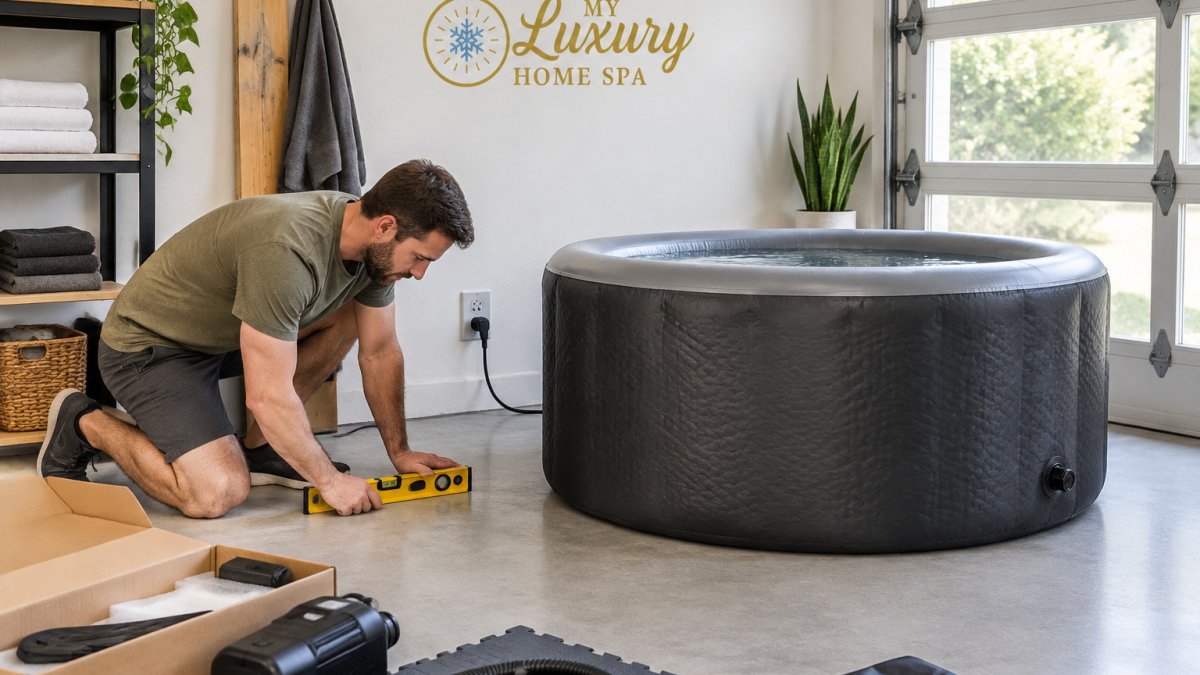
Before buying, plan the footprint, filled weight, power, water access, drainage, and placement. These details affect whether a portable plunge fits comfortably and can be maintained in your home.
Footprint and Filled Weight
A filled tub can weigh several hundred pounds before a person gets in. Use the product’s stated water capacity and add the weight of the bather and equipment when considering the total load. Place the unit on a level, supportive surface. Have an elevated deck or upper floor assessed by a qualified professional before placing a filled tub there.
Allow space around the chiller for the manufacturer’s ventilation and service clearances. Measure the delivery route, doorway, and final location before ordering.
Power and Electrical
Electrical needs vary by chiller and model. Confirm the exact voltage, amperage, plug, circuit, grounding, and any GFCI requirements in the product documentation. Have a licensed electrician review the setup when you are unsure or when the manufacturer calls for dedicated electrical service. See our guide to planning electrical requirements for a home sauna, cold plunge, or hot tub.
Drainage and Water Management
Plan how you will fill, drain, and change the water. For an indoor installation, consider spills, condensation, and water-resistant flooring. A nearby hose connection and a floor drain or suitable outdoor discharge point can make maintenance easier. Check local requirements before discharging water outdoors.
Renter-Friendly Setup
If you rent, review your lease and ask your landlord before buying. Electrical changes, added water load, and potential water damage may require approval. A tub that does not need permanent plumbing may be easier to relocate, but it still needs a suitable floor, drainage plan, and any required power for its chiller.
Climate and Seasonal Performance
Ambient temperature, sunlight, insulation, and indoor or outdoor placement can affect chiller runtime and temperature stability.
- Hot climates and direct sun: Direct sunlight can warm the tub and increase cooling demand. Shade and a fitted cover may help reduce heat gain.
- Cold climates: A chiller and its water lines may be vulnerable to freezing. Follow the manufacturer’s winterization instructions before freezing weather.
- Indoor placement: An indoor location can shield the unit from weather, but plan for humidity, condensation, airflow, and drainage.
- Outdoor placement: Outdoor tubs face sun, rain, debris, and temperature swings. Use the cover and weather protection specified by the manufacturer.
Check the operating-temperature range and winterization directions for your specific model before deciding where it will live year-round.
Moving and Storage
Drain a portable tub before relocating it. An inflatable tub may be easier to deflate and store, subject to the manufacturer’s instructions. Plan storage space for the tub and keep the chiller protected and stored as directed when it is not in use.
Cold-weather reminder: Follow the manufacturer’s winterization steps. Water left in hoses, pumps, or a chiller can freeze and damage equipment.
Cold Plunge Maintenance and Water Care Routine
Cooling does not replace water care. Follow the manufacturer’s instructions for cleaning, filter service, water-quality checks, sanitation, and water changes.
A routine may include wiping the tub surfaces, checking the filter, and removing debris. The right schedule depends on the model and how it is used. Our guide to water-care basics covers general maintenance concepts, but use the cold plunge manufacturer’s instructions for product-specific steps.
Keep the chiller accessible for inspection and leave the ventilation and service clearances specified by the manufacturer. Do not run the chiller without water or outside its operating instructions.
Deciding on a Portable Cold Plunge for Your Home
A portable cold plunge may be a good fit when you expect to use it regularly, your home can accommodate the filled tub and equipment, and you are prepared to maintain it. If one of those conditions is missing, an ice bath or cold shower may be a better way to begin.
- Occasional user with a bathtub: Try an ice bath or cold shower before making a larger purchase.
- Regular user who wants an inflatable tub: The DreamPod Ice Bath Flex is listed at $800 without a chiller. Confirm the current listing and how you will manage water temperature.
- Regular user who wants active cooling: Compare the DreamPod Ice Bath Flex with Chiller and Barrel Flex with Chiller. Both were listed at $3,700 when this article was prepared.
- Dedicated space for a rigid system: Compare the Sierra Spa Cold Plunge Pro and Pro XL, and confirm their current specifications and installation needs.
Before ordering, check the dimensions, electrical requirements, water-care directions, and warranty terms for the exact model. My Luxury Home Spa can help you compare product options for your space and delivery location. Call (417) 374-3589 or ask about the DreamPod Ice Bath Flex with Chiller.

Frequently Asked Questions
Is a portable cold plunge worth the cost compared with an ice bath?
A portable plunge costs more upfront, while an ice bath may require repeated ice purchases and manual setup. Which costs less over time depends on how often you plunge, your local ice and electricity prices, the unit’s actual energy use, and ongoing maintenance. Compare those costs using your expected schedule.
Can I put a cold plunge in my house?
Some homeowners place a cold plunge in a garage, basement, bathroom, or wellness room. Before buying, check the filled weight and floor support, measure the footprint and delivery route, and plan for drainage and condensation. A chiller-equipped model also needs the electrical supply and ventilation specified by its manufacturer.
How much does it cost to run a cold plunge with a chiller?
Running cost depends on energy use, local electricity rates, target temperature, cover use, water volume, and surrounding temperature. Measure the unit’s daily kilowatt-hours and multiply by your electricity rate. For example, 2 kWh per day at $0.20 per kWh equals $0.40 per day. This is a calculation example, not a model-specific consumption estimate.
How do you keep a portable cold plunge clean?
Follow the manufacturer’s schedule for filter service, cleaning, water checks, sanitation, and water changes. Use a cover when the tub is not in use if the manufacturer recommends one. A chiller does not remove the need for regular water care.


Leave a comment