

Last Updated: November 24, 2026
Quick Summary
A portable sauna can add warmth and relaxation to a post-workout routine. Early research suggests a sauna session may affect perceived soreness and short-term performance recovery, but the evidence is limited and does not show that sauna use repairs injuries or replaces sleep, nutrition, and appropriate rest. Start with a short, comfortable session, follow the sauna manufacturer’s instructions, and leave if you feel unwell.
- Portable sauna designs vary: some use infrared panels, while others heat the air.
- Research findings are preliminary and should not be treated as guaranteed results.
- Drink fluids according to your needs and training conditions; there is no single amount that suits everyone.
- Stop and cool down if you feel dizzy, nauseated, weak, confused, or develop a headache.
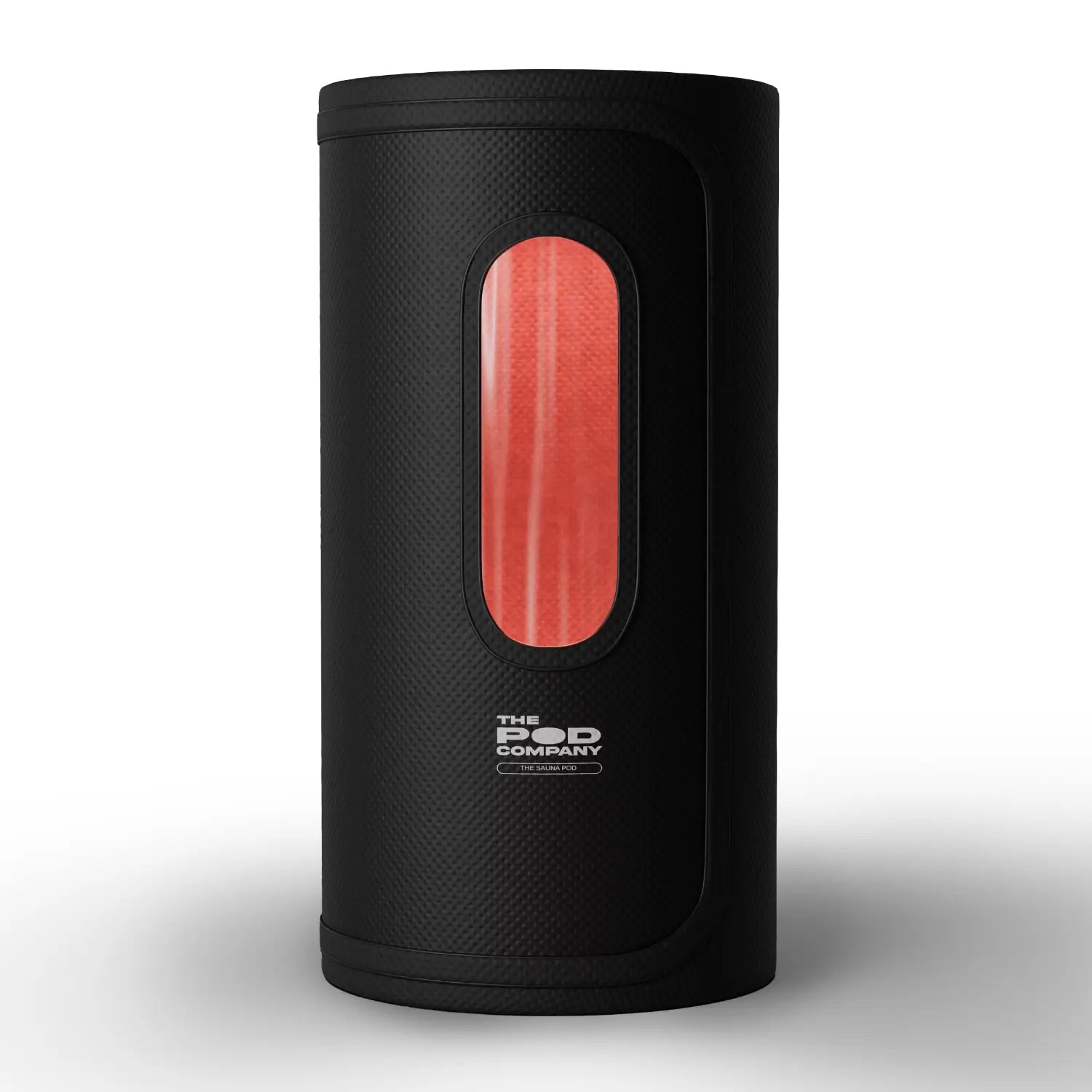
- The Pod Company Sauna Pod 2.0 is a hot-air sauna, not an infrared sauna.
Table of Contents
- Why a Portable Sauna Fits a Home Recovery Routine
- What the Research Says About Sauna and Recovery
- Possible Benefits of a Portable Sauna After Exercise
- How Long to Use a Sauna After Exercise
- A Post-Workout Routine to Start With
- Portable Sauna vs. Sauna Blanket vs. Steam Sauna
- Portable Sauna Safety
- What to Consider When Buying a Portable Sauna
- Recovery Equipment and Product Information
- Frequently Asked Questions
Why a Portable Sauna Fits a Home Recovery Routine
A portable sauna can make a warm, relaxing break easier to fit into a home routine. Before choosing one, consider the type of heat it uses, how much space it takes, how it is powered, and how much setup and cleanup it requires.
The term “portable sauna” covers different designs. Some use infrared panels; others use a heater to warm the air inside an enclosure. Check the product specifications so you know what kind of heat experience you are buying.
Infrared vs. Hot-Air Saunas
Infrared saunas use infrared emitters to deliver radiant heat. Hot-air saunas warm the air inside the enclosure. These are different approaches, and product descriptions should not label one as the other. For example, The Pod Company Sauna Pod 2.0 is described by its manufacturer as a hot-air sauna.
Regardless of design, heat exposure can raise heart rate and cause sweating. Follow the product’s instructions and choose a session length and temperature that feel comfortable for you.
What the Research Says About Sauna and Recovery
Research on sauna use after exercise is still developing. One small crossover study involving 16 male basketball players found differences in reported soreness and some short-term performance measures after a single infrared sauna session. A small study cannot establish that the same results will occur for other people, sauna designs, or training programs.
A broader systematic review of post-exercise heat exposure found mixed results across a limited number of studies. Sauna use may feel relaxing, but it is not a proven treatment for muscle injury, and the current evidence does not establish an ideal recovery protocol.
Soreness, Performance, and Blood Flow
Research and everyday experience often focus on three outcomes:
- Perceived soreness: Some participants in small studies reported less soreness after heat exposure. Results are not conclusive.
- Short-term performance: A few studies have measured changes in performance after heat, but findings vary.
- Warmth and relaxation: Heat can feel soothing. That experience does not prove that it speeds tissue repair.
Use a sauna as an optional comfort measure within a broader routine that includes appropriate training, sleep, hydration, and rest.
Possible Benefits of a Portable Sauna After Exercise
The most practical advantage of a portable sauna may be convenience. A format that fits your available space and is straightforward to use may be easier to incorporate into a routine. Think of it as a personal preference for warmth and relaxation, rather than a necessary step in recovery.
Heat can be part of a broader wellness routine. Some people also use compression or cold exposure, but these approaches have different effects and should be chosen based on personal needs. Our guide to why cold and compression work better together for recovery discusses those options.
How Long to Use a Sauna After Exercise
There is no single session length that is right for everyone or supported as a universal muscle-recovery prescription. If you are new to sauna use, begin with a brief, comfortable session and follow the manufacturer’s instructions. Leave the sauna if you feel dizzy, nauseated, weak, confused, or develop a headache.
Heat tolerance, the sauna’s design, room conditions, recent exercise, and hydration can all affect how a session feels. Avoid treating longer sessions as better. If you have questions about whether heat exposure is appropriate for you, speak with a healthcare professional.
A Post-Workout Routine to Start With
Keep the routine simple and responsive to how you feel. A sauna is optional; you can skip it if you are overheated, unwell, dehydrated, or simply do not feel up to it.
Suggested sequence: cool down, take a moment to rehydrate, use a brief comfortable sauna session if appropriate, then cool down again.
- Cool down after training. Walk gently and allow your breathing and heart rate to settle.
- Drink to thirst. Consider your workout, sweat loss, and personal hydration needs; avoid forcing a fixed amount of fluid.
- Set up the sauna as directed. Check the product manual and start at a comfortable setting.
- Keep the first session brief. Exit early if the heat feels uncomfortable or you notice symptoms.
- Cool down gradually. Continue drinking fluids according to your needs.
- Stretch only if comfortable. Keep movements gentle and stop if you feel pain.
Adjusting the Routine to Your Tolerance
Do not try to push through dizziness, nausea, weakness, confusion, a headache, or a racing or irregular heartbeat. Leave the sauna, move to a cooler place, and seek medical help if symptoms are severe or do not improve.
Study Protocols and General Guidance
Published studies use specific equipment, temperatures, participant groups, and session protocols. Those conditions may not match a home sauna or be appropriate for every person. For a step-by-step overview of sauna use in an athlete’s routine, see our guide to how to use infrared sauna for athlete recovery.
Portable Sauna vs. Sauna Blanket vs. Steam Sauna
Home heat products differ in how they deliver heat, how much of the body they cover, and how they are set up. Choose based on the product’s specifications, your space, and the kind of experience you prefer.
Portable sauna: A compact enclosure or tent. It may use infrared emitters or a heater that warms the air. The Pod Company Sauna Pod 2.0 is a hot-air model. See the Sauna Pod 2.0 product page for current product details.
Sauna blanket: A heated wrap or mat used while lying down. Features and heating methods vary by product.
Steam sauna: Uses a steam generator to create a humid environment. Setup and ventilation requirements vary.
Comparing Heat Delivery and Recovery Evidence
| Format | Typical heat delivery | Use and coverage | What to check |
|---|---|---|---|
| Portable sauna | Infrared emitters or heated air, depending on the model | Usually seated in an enclosure | Heat type, dimensions, power, ventilation, warranty |
| Sauna blanket | Contact heat from a heated wrap | Used while lying down | Cleaning, temperature controls, materials, safety instructions |
| Steam sauna | Humid air from a steam generator | Typically seated in an enclosure or dedicated room | Setup, ventilation, moisture management, maintenance |
Research on post-exercise heat is limited and does not establish that one of these consumer formats is superior for muscle recovery. Compare the products on their actual features and choose a session that feels comfortable and manageable.
Portable Sauna Safety
Heat exposure can contribute to dehydration, dizziness, and changes in blood pressure. Avoid sauna use after drinking alcohol. Stop if you feel unwell, and follow the manufacturer’s safety and operating instructions.
Check with a healthcare professional before using a sauna if you are pregnant, have a heart or blood-pressure condition, or take medication that may affect sweating, circulation, or your response to heat. Medical advice is especially important if you have a condition that affects sensation or your ability to regulate body temperature. Guidance from health organizations also recommends caution around heat exposure during pregnancy and for people with certain health conditions.
Stay hydrated according to your needs, avoid using a sauna when ill or already overheated, and make sure you can exit the unit easily. Our guide to infrared sauna hydration accessories for athletes covers hydration planning and accessories.
What to Consider When Buying a Portable Sauna
Compare the details that will affect everyday use:
- Heat type and controls: Confirm whether the model uses infrared emitters, heated air, or another method.
- Size and setup: Check assembled dimensions, storage needs, setup steps, and ventilation requirements.
- Electrical requirements: Review voltage, wattage, and outlet requirements before ordering.
- Materials and cleaning: Check the care instructions and what parts need regular cleaning.
- Warranty and dealer support: Review the manufacturer’s warranty and ask who to contact if you need service.
If you want to compare more options, our roundup of the best home saunas for recovery covers several home sauna formats.
Recovery Equipment and Product Information
My Luxury Home Spa is a veteran-owned authorized dealer of wellness and recovery products. Product availability, pricing, delivery options, and warranty terms can change, so check each product page for current details.
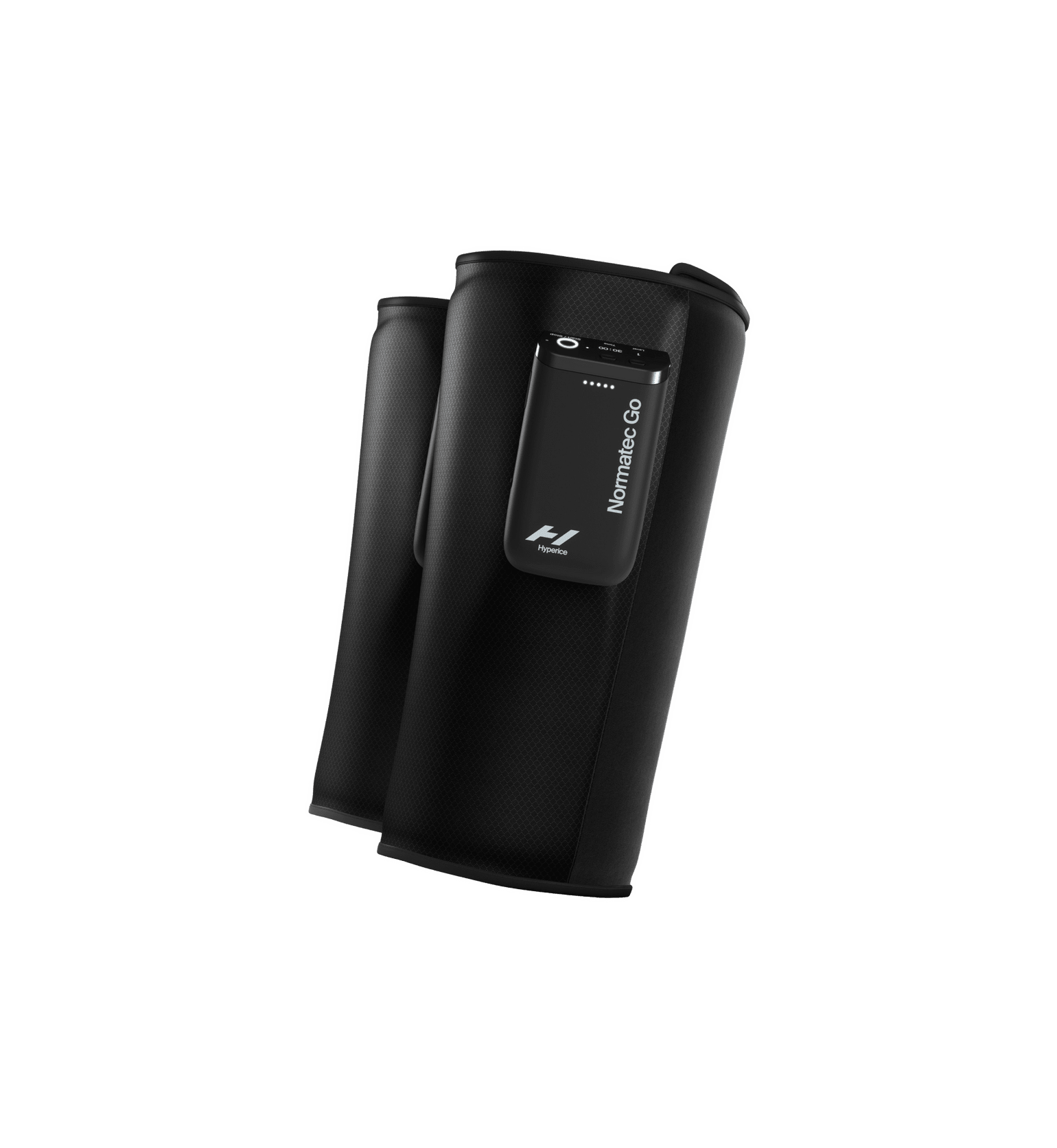
Browse The Pod Company Sauna Pod 2.0, the Hyperice Normatec Go, and the TheraPro PEMF, Infrared & Red Light Therapy Recovery Pad. These products use different approaches and are not substitutes for medical care or a complete recovery plan.
Explore the products and choose the equipment that fits your space, preferences, and routine.
Frequently Asked Questions
Is a sauna good for muscle recovery?
A sauna may feel relaxing after exercise, and a small study found changes in perceived soreness and some performance measures after one infrared sauna session. Research is limited, so sauna use should be considered optional comfort rather than a proven treatment for muscle damage or injury.
How long should you stay in a portable sauna after exercise?
There is no universal session length for recovery. If you are new to sauna use, start with a brief, comfortable session and follow the unit’s instructions. Leave if you feel dizzy, nauseated, weak, confused, or develop a headache.
What are the benefits of a portable sauna at home?
A portable model may be convenient for people who want a sauna experience at home and have limited space. Compare setup, storage, power requirements, heat type, and cleaning needs. Convenience does not guarantee a specific recovery benefit.
Is The Pod Company Sauna Pod 2.0 an infrared sauna?
No. The manufacturer describes the Sauna Pod 2.0 as a hot-air sauna. It should not be described as an infrared sauna. Check the product page for current availability, specifications, and pricing.
What sauna safety steps should I follow?
Follow the manufacturer’s directions, avoid sauna use after alcohol, and leave if you feel unwell. Ask a healthcare professional before use if you are pregnant, have a heart or blood-pressure condition, or take medication that may affect your response to heat. Drink fluids according to your needs and avoid using a sauna when ill or overheated.


Leave a comment